

Cart
0
infertility

-

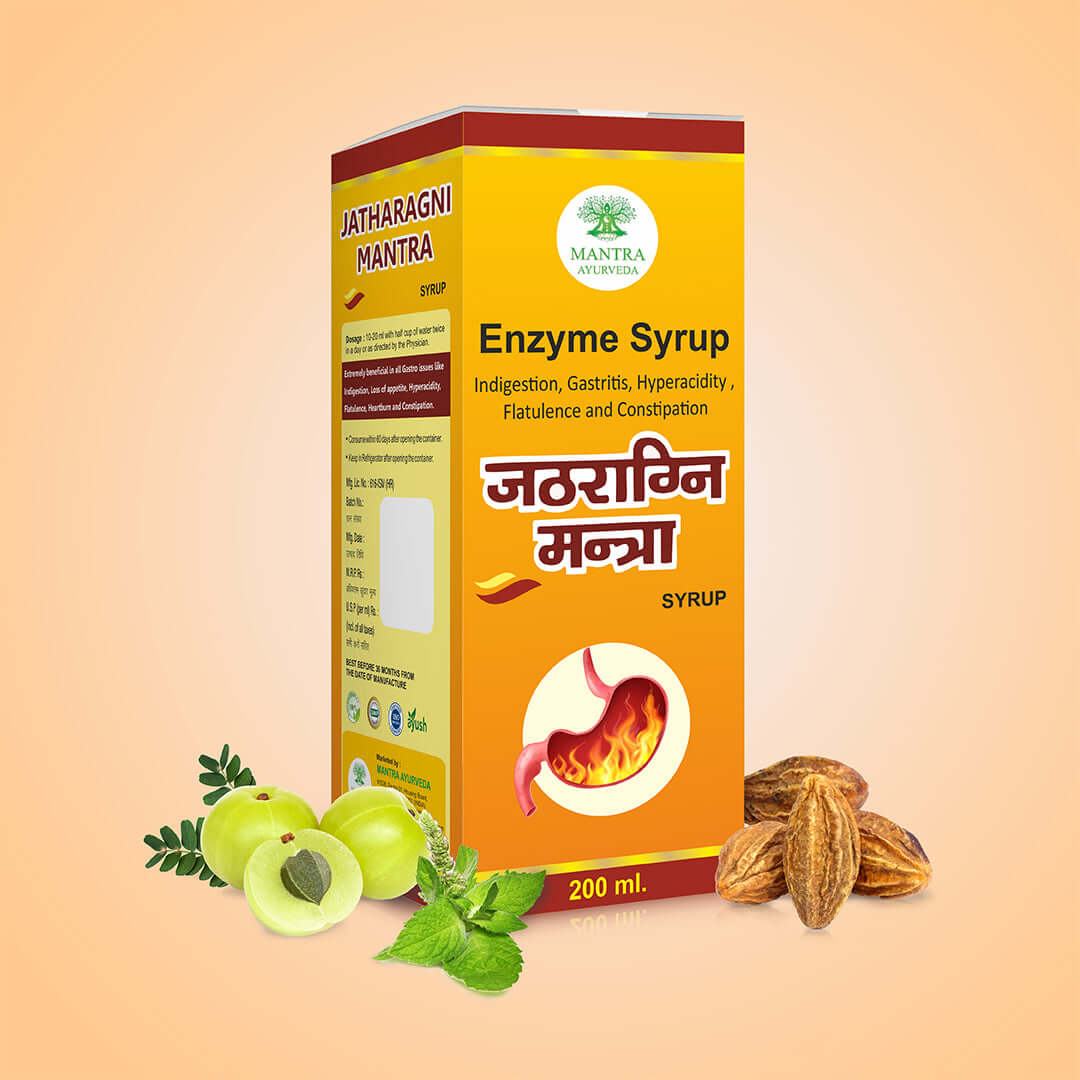
 Mantra Ayurveda – Jathragni Mantra SyrupOn sale from Rs. 159.00
 -

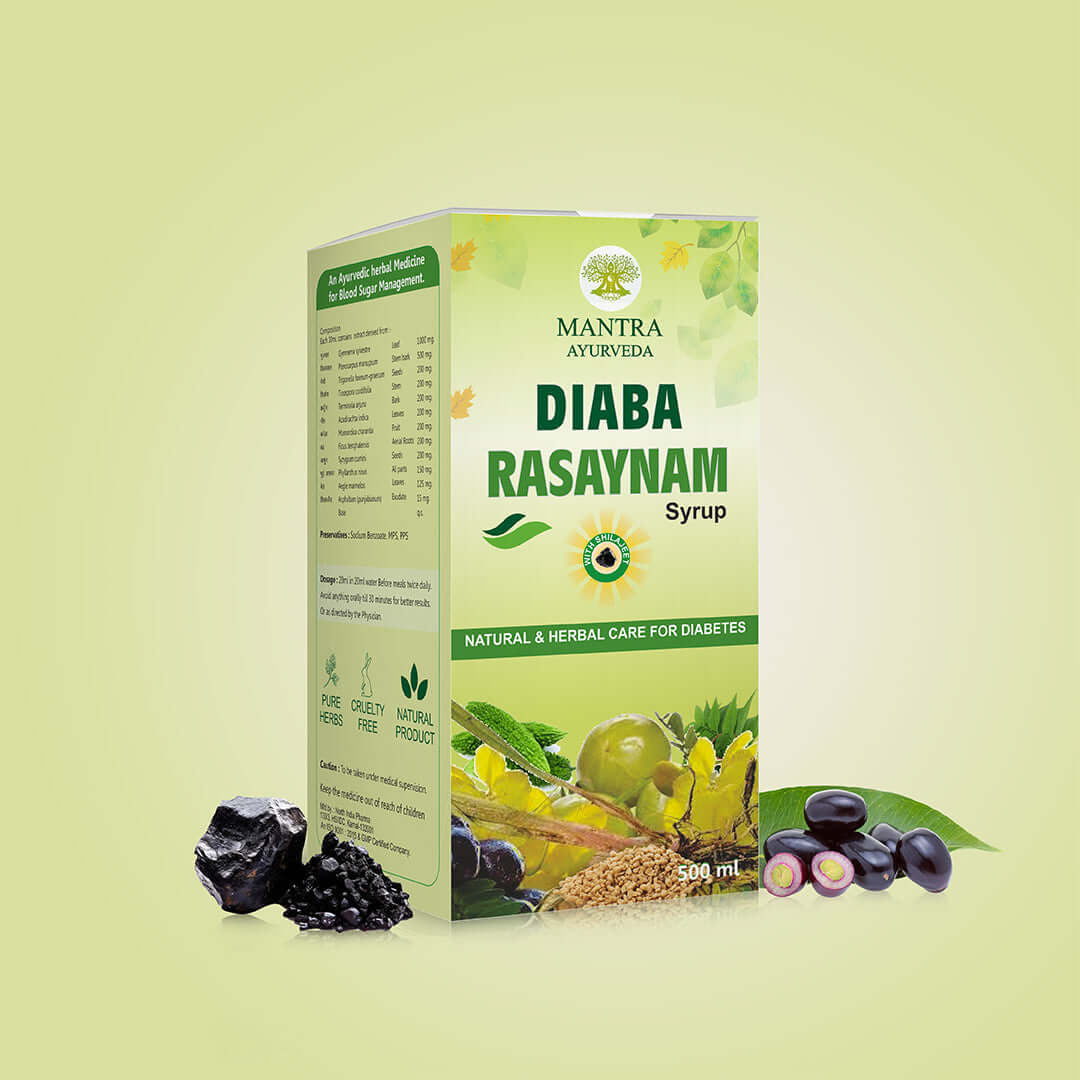
 Mantra Ayurveda Diaba Rasaynam – Herbal Supplement for Blood Sugar ManagementOn sale from Rs. 294.00
 -

 Online Ayurvedic Consultation with Mantra Ayurveda Experts DoctorsOn sale from Rs. 500.00
 -

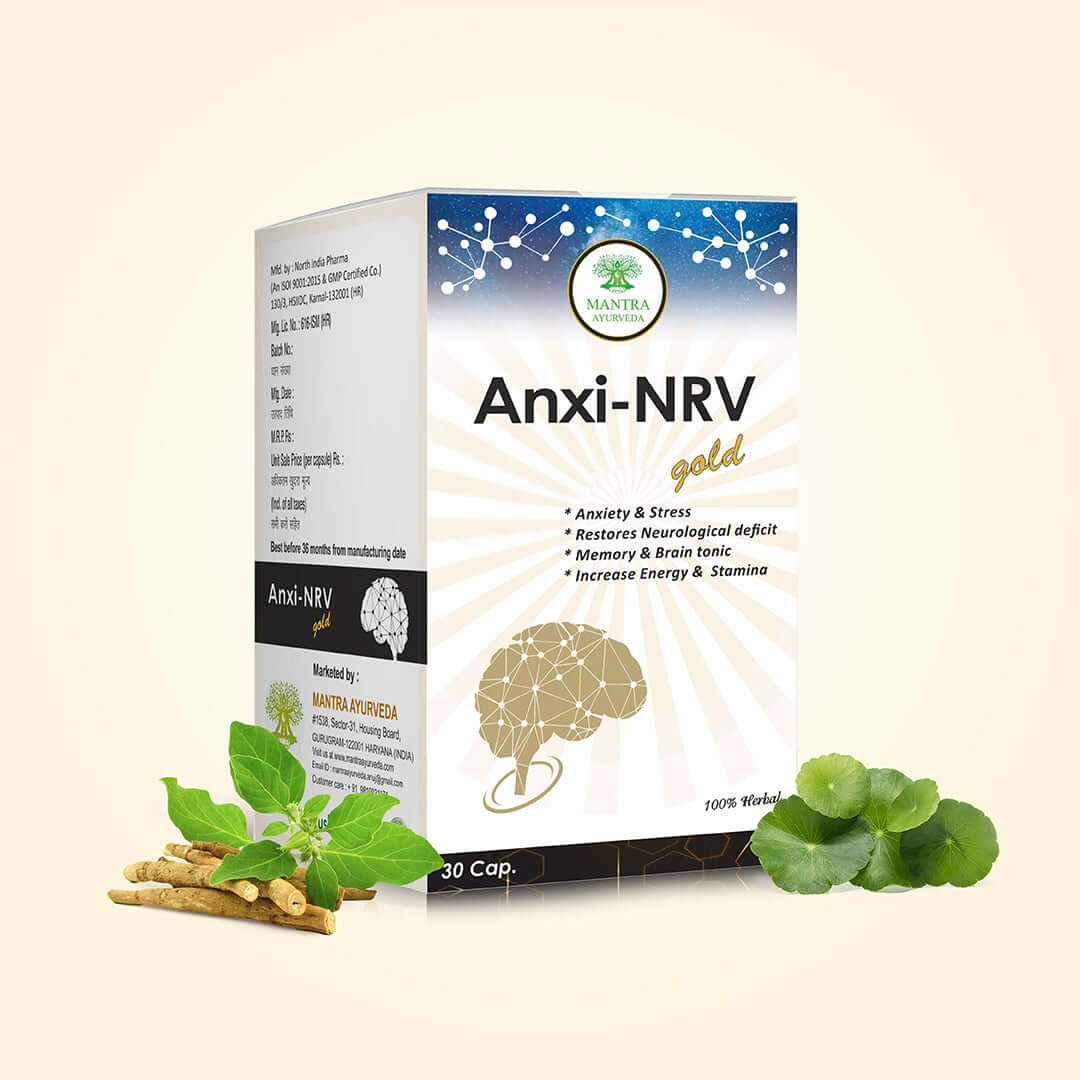
 Mantra Ayurveda Anxi-NRV Gold – Herbal Supplement for Natural Stress and Anxiety ReliefOn sale from Rs. 366.00
 -

 Mantra Ayurveda – Shawasamrit Syrup 200MLFrom Rs. 95.00
 -

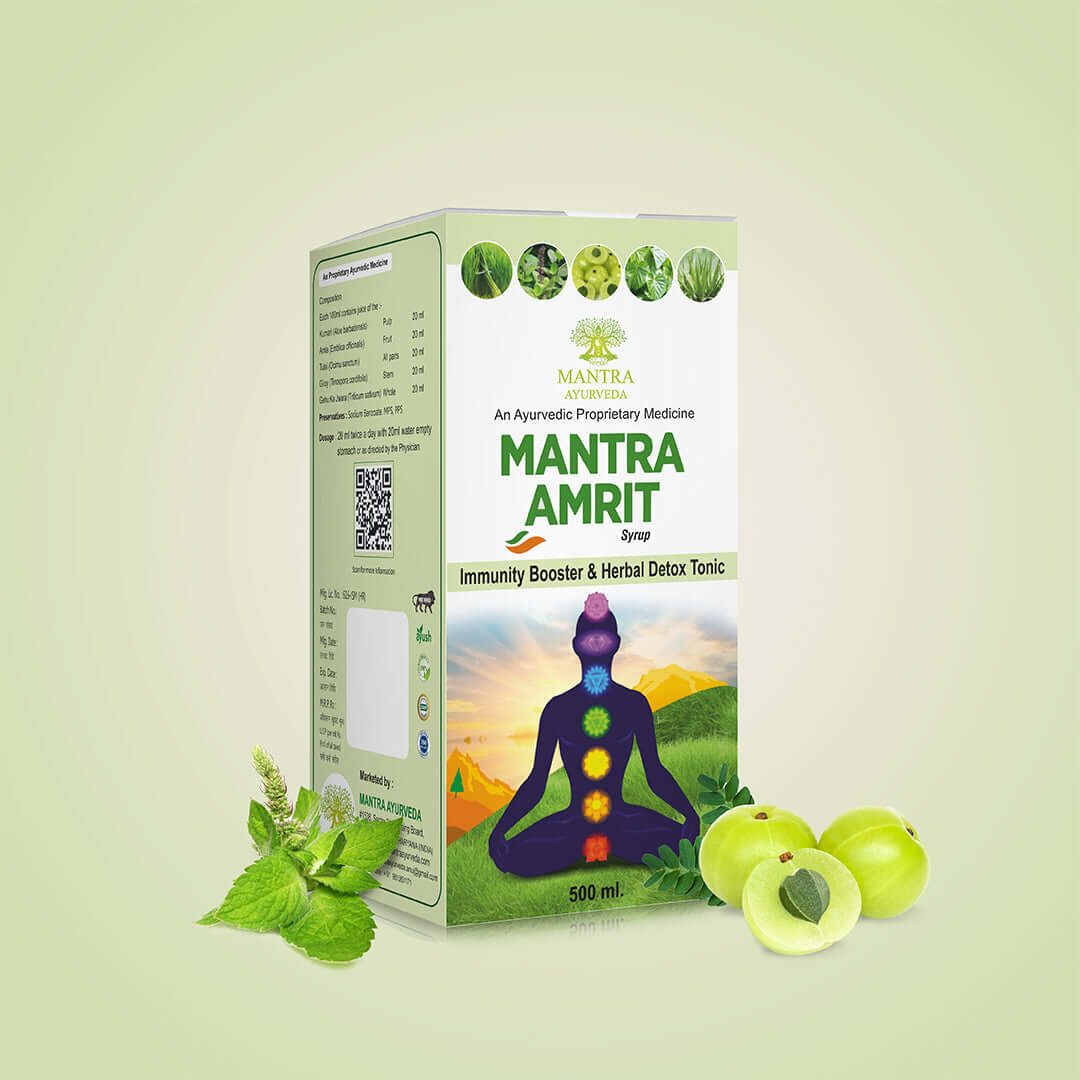
 Mantra Ayurveda – Mantra Amrit SyrupOn sale from Rs. 293.00
 -

 Mantra Ayurveda - Yakrit 01 LFT SyrupOn sale from Rs. 159.00
 -
 Mantra Ayurveda Herbal kit for IBSOn sale from Rs. 940.00
 -

 Hem Mantra Syrup for Female 300mlOn sale from Rs. 207.00
 -

 Mantra Ayurveda – Hriday Mantra SyrupOn sale from Rs. 383.00
 -

 Mantra Ayurveda – Cap Yakrit 01 LftOn sale from Rs. 285.00
 -

 Mantra Ayurveda – Pankrio Cap.On sale from Rs. 397.00









Infertility is the inability to conceive after regular unprotected intercourse. Ayurvedic treatment for infertility focuses on balancing doshas, detoxification, and strengthening reproductive health through herbs, diet, and therapies.
Yes—when administered by experienced practitioners, Ayurveda supports reproductive health by restoring hormonal balance, improving circulation, detoxifying the body, and enhancing vitality. Mantra Ayurveda uses classical treatments backed by clinical insights.
Yes, PCOS can disrupt ovulation and lead to infertility. Ayurveda manages PCOS by correcting hormonal imbalance, improving digestion, and using herbal remedies like Shatavari and Ashoka to support fertility.
No, female masturbation does not cause infertility. From an Ayurvedic perspective, fertility depends on healthy reproductive tissues (shukra dhatu), balanced hormones, and overall lifestyle—not on self-pleasure.
Infertility can arise from hormonal imbalances, age, lifestyle factors (such as stress, poor diet, smoking), structural reproductive issues, or chronic conditions. Ayurvedic treatment aims to address these root causes holistically through herbs, diet, and lifestyle adjustments.
Yes, irregular periods can affect ovulation and fertility. Ayurvedic solutions focus on regulating menstrual cycles with herbs like Shatavari, lifestyle changes, and therapies that balance hormones naturally.
Results vary by individual, but many patients begin noticing improvements within 2–3 menstrual cycles. Full fertility enhancement may take 6–12 months depending on underlying conditions, adherence, and overall health.
Panchakarma, an Ayurvedic detox therapy, is used to cleanse the body of toxins, balance hormones, and improve reproductive function. It’s often recommended before conception to optimize fertility health.

